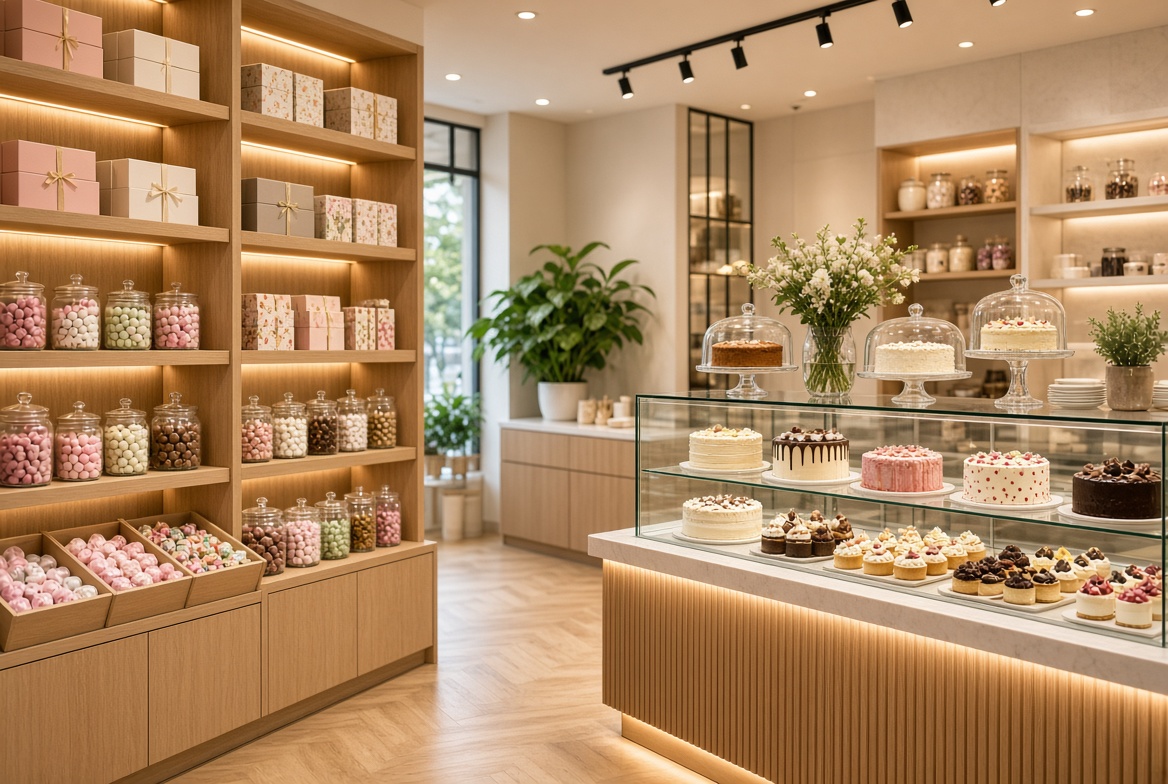
How we pack a chocolate box without guessing the filling
Boxed chocolates have been part of Amberwhisk since the Lower Rochester Road kitchen opened in March 2013. We temper dark, milk, and white chocolate in the back room, fill the shells, and pack them in 9, 16, or 25 pieces. Cocoa percentage sits on the lid. Nuts, dairy, and citrus sit on the allergen card, not in a footnote. Named boxes stay until Friday if you write before Thursday. Summer heat means a cooler pack so ganache survives a Cape Town taxi. Pastry trays and celebration cakes sit on different calendars. We do not swap caramel for coffee cream unless you ask, and we do not claim a box will win anyone over.
Think of a box as a labelled pack rather than a mystery tin. Count the shells, read the cocoa line, and check whether the citrus row is still on the card before you collect. If a filling is gone, the eleven other shells do not vanish; we simply leave that row empty or wait for the next temper. That is why this kitchen does not guess. We label rumor separately from what is on the bench, and we do not run a mail-order warehouse from this page.
Nine, sixteen, or twenty-five shells, labelled, sometimes held under a name. A box can leave the counter without rewriting the rest of the shop.
Cake lead times still matter because the same kitchen bakes sponge on a three-day window and stacked cakes on five. A chocolate box that helps a desk gift will not rescue a birthday sponge you asked for on the morning of the party. Croissants still leave the ovens before eight; bread still has two runs. Later, around May, seasonal tins add biscuits beside the shells. Those tins sit next to everyday boxes; they do not replace them. Shop notes only. We never claim a filling plus a ribbon is a guaranteed gift for every table.
What we write on the lid card
For each box we log the cocoa percentage, the shell count, whether nuts or dairy are inside, and which filling row was packed that morning. Guests send a name and a collection day, not a wishlist of flavours we do not temper. If a citrus row ran out overnight, we compare the remaining milk and dark shells so you can see what still sits in the tin. Training a cake sponge and packing chocolate are separate jobs; mixing the two in one sentence is how orders go wrong. Amberwhisk will say “not this week” when the cocoa allocation is used. We also note cooler packs only when the forecast actually warrants them, not as decoration.
How we check a box before collection
After packing we weigh the tin, check the lid card against the allergen shelf, then set named holds on a labelled tray in the cool room. We watch whether the count still matches the card and whether a missing filling silently dropped a row. Morning pastry, bread, and the cake fridge are other notes; they are not chocolate notes, but they change how busy the till is when you collect. Seasonal tins, fruit tarts, and Saturday croissant extras belong in a different file, not in this box ledger.
Write the visit page if a lid card on your tin disagrees with a note we quoted. We will correct the page when the kitchen changes a filling. This site is a shop journal; the counter still sells what it packed that week.





Sipho Dlamini Reply
Cake sponges sit next to chocolate, not inside the same tin. After this note I ordered a 16-piece box for Friday and left the lemon cake on a three-day window. The lid card matched the allergen shelf, and nothing here is a prize claim.